When a Paid Chinese Order Cannot Be Supplied
Handle a stock shortage after a Chinese order is paid. Connect the affected item, customer choice, fulfilment change and verified payment outcome clearly.

An overseas shop accepts payment through its Chinese Mini Program, then discovers that one of the purchased prints is unavailable. The warehouse suggests another design. Chinese support sends its photograph and receives no answer. The alternative goes into the parcel anyway, while the order page continues to show the original print.
The failure is not just a stock count. The Chinese channel has no agreed way to present a changed offer, record the customer's decision and carry that decision into fulfilment. For a retailer commissioning CN1X's storefront and customer conversations, that exception route belongs in the build and operating scope alongside the normal checkout.
The short version: identify the unavailable item and quantity, stop an unsupported substitution and explain the options the retailer can actually provide. Preserve the original purchase until a change is agreed or another authorized resolution applies. Customer communication, fulfilment and payment records should then describe the same outcome.
Establish exactly what cannot be supplied
Use a hypothetical art-shop order: two unframed harbour prints and one postcard pack. Only one of the two prints can be supplied from the stock allocated to this order. The postcard pack is available. This is a design example, not a real shop, client incident or statement about a particular shipping route.
Before writing to the customer, have the fulfilment owner verify the product reference, quantity and current dispatch position. Is the print missing, damaged or unavailable from the intended stock location? Has anything already been packed or handed to a carrier? Keep an unconfirmed report separate from a verified shortage.
Record that one print is affected. Do not mark both prints unavailable because they share an order line, or treat the entire paid order as cancelled. Pause the affected fulfilment instruction while the responsible team establishes the resolution. Confirm how the remaining goods will be handled and tell support what can still change.
Keep the customer's original Chinese item name, selected attributes and accepted price available. A later catalogue edit must not make the old order appear to contain a different picture. The product-options guide covers preserving that purchase identity from the selector into the order.
Explain the shortage before offering another product
For the example, suppose the retailer has verified the shortage and assigned someone to return the available options. An initial Chinese message could read:
很抱歉,您订单中的海港主题艺术印刷画2张,目前只能供应其中1张,另1张已确认缺货。我们正在核实可提供的处理方案,不会未经您确认改发其他图案。您的原购买记录会保留,确认方案后我们会在本订单中更新处理结果。
The message names the affected quantity and explains what happens next. It does not imply that the whole order has disappeared. Use the promised order record and follow-up only when the agreed service actually provides them.
Do not invent a restocking date to soften the message. If waiting is a supported option, obtain the retailer's confirmed information and distinguish an estimate from a commitment. If there is no confirmed plan, say so. Any choices, deadlines and remedy must reflect the actual purchase and applicable obligations; a support script should not create its own policy.
Assign one owner to return the answer through a usable Chinese route. Verify what the account permits before using automated messages. If a notification cannot be sent, retain the exception on the order page and use the agreed support alternative rather than treating silence as acceptance.
Present the proposed change as a new decision
Suppose the art shop can offer a mountain print in place of the unavailable harbour print. Its size, material, price difference and dispatch arrangement need confirmation before support presents it. Similar appearance or a matching price does not make it the same purchase.
Show the actual authorized product image and approved Chinese description in the customer conversation or order page. Identify which original unit it would replace. Do not overwrite the original item before the buyer has a chance to compare them.
For this hypothetical offer, the choice summary might say:
拟修改内容,等待您确认
原购买:海港主题艺术印刷画2张、明信片1套。
拟改为:海港主题艺术印刷画1张、山景主题艺术印刷画1张、明信片1套。
此方案尚未生效。请先查看替代商品的图片、规格、价格变化及发货安排,再选择是否接受。
The real offer must supply those details beside the summary. The excerpt explains the decision; it is not a complete quote. Present other supported resolutions with their actual consequences, including the treatment of remaining items and any authorized cancellation or refund. Do not conceal a refund route behind an unwanted replacement.
Keep an explicit way to decline or ask a question. The order page and Chinese conversation should refer to the same proposal version. If the retailer revises the alternative while the customer is considering it, obtain a decision on the revised offer.
Carry the customer's answer into the warehouse record
“Okay” may refer to receiving an update, accepting a delay or agreeing to the replacement. Where the meaning is unclear, restate the proposed change and ask for confirmation. An unopened message or an expired internal reminder is not a choice made by the customer.
Once the hypothetical buyer clearly accepts the specified replacement, preserve the proposal and response with the order. A Chinese confirmation can then say:
已按您确认的方案更新:海港主题艺术印刷画1张、山景主题艺术印刷画1张、明信片1套。原购买内容及本次修改记录可在订单详情查看。
This wording is appropriate only after the order update succeeds. The warehouse must receive the mountain print's actual product reference and quantity, with the original shortage resolved against the affected unit. A chat note alone does not change a packing instruction.
Check for an existing dispatch before releasing the revised instruction. If another team has already sent goods, return that conflict to the responsible operator instead of creating a second shipment without review. Where the remaining items ship separately, the split-shipment guide explains how to keep their contents and progress visible.
Keep a refund decision separate from its payment result
If the resolution includes a refund, identify the affected item and quantity, approved amount and currency, original payment and any earlier adjustments. Do not calculate it from today's catalogue price or assume that every item has an equal share of an order discount.
Give the authorized payment team a traceable request. The Chinese customer view should distinguish a decision to refund, a request accepted for processing and the provider-confirmed result. Closing the stock enquiry does not by itself return money.
WeChat Pay's official merchant refund guidance explicitly separates acceptance of a refund request from refund success, which is established through the result notification or query. That describes the documented merchant flow. Use the records and procedures of the retailer's actual provider, including its cross-border arrangement where relevant, rather than assuming this is the integration in use.
Keep a pending or unsuccessful result assigned for follow-up, with transaction-specific information for the customer. Avoid promising a standard arrival time for the money. A repeated question in chat should lead staff to the existing case, not automatically create another refund request.
Correct the Chinese offer that is still taking orders
Check whether the affected option remains purchasable in the Chinese Mini Program. If availability cannot be established, apply the retailer-approved restriction to that option and explain the supported next step. Changing the main product headline while leaving the unavailable variant selectable does not resolve the problem.
Review active promotion and saved Chinese replies that point to the same offer. Preserve paid orders while correcting future sales. Investigate the cause with the stock and storefront owners: an outdated import, a failed reservation or a shared-stock allocation conflict are possibilities to verify, not conclusions to invent.
Before reopening the affected route, rehearse a paid order with one unavailable unit. Check the shortage message, an accepted alternative, a declined proposal and an unresolved payment outcome. Include a late reply to an older proposal and duplicate staff actions. Use controlled test records that cannot charge, dispatch to or notify real customers.
Where CN1X fits
CN1X's services connect Chinese Mini Program commerce, customer conversations, CRM, payments and fulfilment. For a stock exception, the agreed work should join the Chinese explanation and choice to the authorized order change and returned outcome. The retailer approves supply options and remedies; the relevant providers establish operational and payment facts.
Share an anonymized paid-order exception and how your team handles it today. We can identify where the customer's decision stops reaching the storefront, warehouse or Chinese response team.
Related reading
Chinese Mini Program Options That Match the Order
Help Chinese shoppers select the intended product in your Mini Program. Connect Chinese labels, pack quantities, SKU records and order details before launch.
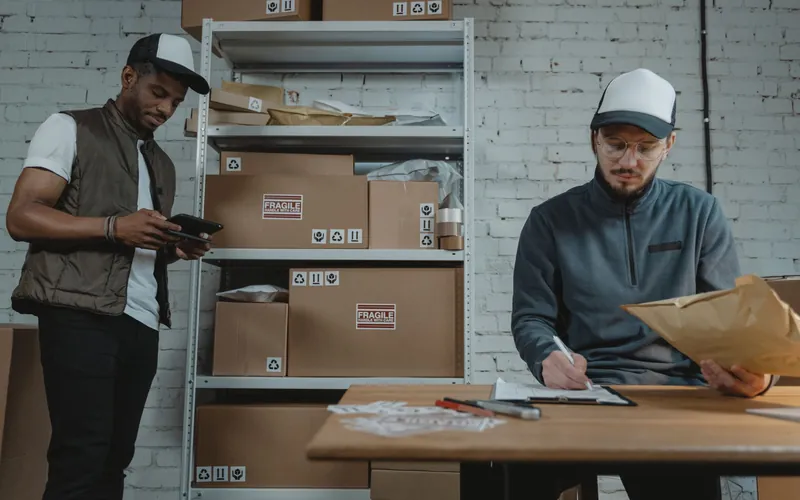
Chinese Order Updates for Split Shipments
Show Chinese customers which items are in each parcel, what has not shipped and where to ask for help, without treating one delivery as a completed order.
Connecting Chinese Return Requests to the Order
Connect Chinese return requests to the purchased item, return instructions and refund record, so customers and staff can see what still needs to happen.