Chinese Order Updates for Split Shipments
Show Chinese customers which items are in each parcel, what has not shipped and where to ask for help, without treating one delivery as a completed order.
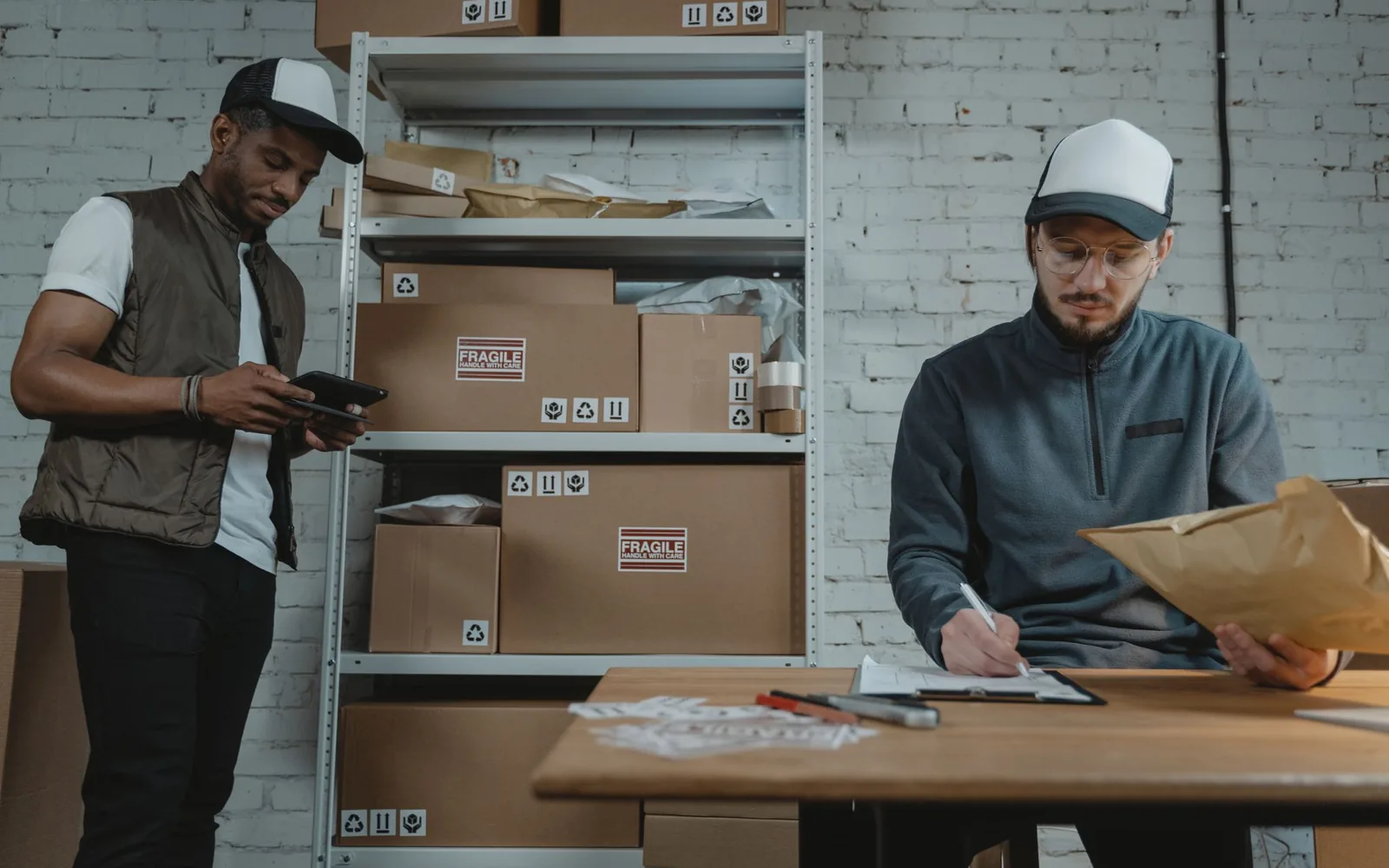
A Chinese customer buys three items from an overseas museum shop. One parcel arrives with two of them. The Mini Program now says the order has been delivered, but the third item has not left the warehouse. The customer asks in WeChat whether it was forgotten. Support sees a delivery scan and replies that everything arrived.
For an overseas retailer commissioning a Chinese storefront, a single order status can conceal unfinished work. The useful deliverable is a Chinese order page that connects purchased items to their parcels, with messages and a support route built around the same records. This belongs in CN1X's Mini Program, localization and fulfilment brief before the first split order reaches a customer.
The short version: keep one recognizable purchase, but show the contents and progress of each shipment separately. Make unshipped quantities visible. A carrier update for one parcel must not close the whole order, and a failed notification must not prevent the customer from checking what remains.
Begin with the customer's purchased quantities
Consider a hypothetical order for two blue tote bags and one illustrated guidebook. Parcel A contains one bag and the book. The other bag will travel separately. This is an illustrative design exercise, not a client case or a claim about a particular shipping route. Assume the retailer and provider have confirmed that the goods and destination are supported.
The Chinese order page should retain the purchase as 蓝色帆布袋2个、图文导览书1本. Beneath it, show the allocation to shipments. Do not rewrite the purchase as two bags in each parcel, or hide the second bag simply because both bags share one product reference.
Use the original item names, selected variants and quantities. The packing team may use different identifiers, but those records must map back to the Chinese lines the customer recognizes. Keep the actual dispatch destination available to authorized staff without asking the customer to post an address in a public comment.
Our checkout-to-fulfilment guide covers collecting usable delivery information. Splitting an order adds another question: which purchased units does each subsequent update describe?
Make the remaining item as visible as the first parcel
Suppose the carrier reports Parcel A delivered, while the remaining bag is still awaiting dispatch. An illustrative Chinese order summary could say:
订单进度:部分商品已送达,仍有商品待发出
包裹A:蓝色帆布袋1个、图文导览书1本。承运商记录显示已送达。
剩余商品:蓝色帆布袋1个,尚未发出。发出后将在本订单中更新对应物流信息。
如已收到的包裹内缺少商品,请从本订单的“配送问题”入口联系我们。
This wording distinguishes a carrier record from the customer's own confirmation. Use the promised order update and support entry only if they exist in the agreed build. If the dispatch plan remains unresolved, provide the retailer's confirmed explanation and next step rather than inventing a date.
The order should still display the original purchase and payment record. A second parcel is not a second purchase. Any proposed change to customer charges needs its own approved explanation and agreement; a logistics update must not quietly create a new amount due.
Give every parcel a contents list and its own progress
One tracking link beside the order total is insufficient when the order travels in parts. Place the relevant items, quantities, carrier and available tracking information together. If the second shipment has no tracking reference yet, say what is known instead of copying the first parcel's number into both sections.
For the example, the staff and customer views should agree on this allocation:
| Part of the purchase | Contents | Evidence to show in Chinese |
|---|---|---|
| Parcel A | One blue bag and one guidebook | Carrier reports delivery; questions can still be raised |
| Remaining shipment | One blue bag | Awaiting dispatch; no confirmed carrier movement |
| Whole order | Two blue bags and one guidebook | Partial delivery, with one bag still outstanding |
Shopify's official partial-fulfilment guidance describes selecting item quantities and adding tracking for separate fulfilments. This is a documented commerce-system example, not a promise that a WeChat Mini Program automatically receives those records. The project must establish the actual connection or staff process.
Distinguish a tracking reference being created from a carrier confirming possession. Likewise, a parcel scan does not prove that the expected contents were inside. Choose Chinese wording from the available evidence, and keep the source and update time visible where they help explain uncertainty.
Let a message open the relevant shipment
An update about Parcel A should take the customer to that parcel within their order, while leaving the remaining bag visible. Sending them back to the catalogue makes them reconstruct a purchase they have already paid for.
For a supported customer conversation, a concise update could read:
您订单中含蓝色帆布袋1个和图文导览书1本的包裹,承运商记录显示已送达。另有蓝色帆布袋1个尚未发出,进度可在订单详情查看。
This is suggested service copy, not a WeChat notification template. Before using automated messages, verify the actual account's supported message type, permitted fields, customer authorization and destination. Adapt the copy to that route; do not assume one purchase grants unrestricted future sends.
Keep order progress available even when a message cannot be sent. Record the failed attempt for staff, use any agreed alternative contact route appropriately, and avoid repeated messages that merely restate the same event. A successful send also does not prove that the customer read the update.
Ask which parcel is affected before deciding what is missing
“One bag is missing” could mean that the customer expects the still-unshipped bag, or that Parcel A arrived without the bag listed inside it. Those are different investigations. The Chinese support entry should let the customer identify the parcel and affected item without starting the whole order again.
A first response for the example could ask:
您指的是包裹A内应有的蓝色帆布袋没有收到,还是订单中另一个尚未发出的帆布袋?我们会按对应包裹核对。
Keep the answer with the order and send the specific question to the responsible fulfilment team. A reported delivery does not resolve a contents complaint. Staff need the packing record and provider response before explaining what happened or offering the retailer's approved remedy.
If a replacement is authorized, connect it to the affected item and original shipment. Show it as a replacement, not an extra purchase. If the customer instead requests cancellation of an unshipped item, keep that decision and any refund outcome separate from the parcels already delivered. The returns guide covers the related item-level after-sales record.
Review a split order before approving the Chinese storefront
Use synthetic records to rehearse the three-item example. Open the order from the customer's normal entry, then from each supported message destination. Compare its Chinese quantities with the fulfilment record and make sure staff can identify the outstanding bag.
Test the second parcel arriving first, a missing tracking update, an outdated event arriving late and the same event being received twice. The page should preserve the latest supported position, and duplicate events should not create duplicate dispatches or customer messages. Confirm how staff correct a mistaken allocation without erasing its history.
Then rehearse a missing-item complaint and a customer who cannot receive notifications. Assign ownership of unresolved items, including the promised follow-up. Use agreed test methods that avoid real charges, dispatches or messages to customers.
Where CN1X fits
CN1X's services include Mini Program commerce, Chinese content, customer conversations and fulfilment connections. For split shipments, the scope should name the Chinese order summary, parcel contents, message destinations and exception handoff. The retailer and providers establish dispatch facts, available tracking, charges and remedies.
Bring an example of an order your team sends in parts. We can map what the Chinese customer should see and what support needs to resolve the unfinished portion.
Related reading
Connecting a Chinese Storefront to Fulfilment
Connect a Chinese Mini Program order to a confirmed fulfilment route. Define stock, provider responsibilities, order data, delivery updates and returns.

Chinese Checkout Details Your Fulfilment Team Can Use
Connect Chinese checkout fields to usable delivery records. Separate buyer and recipient, preserve address details and resolve corrections before dispatch.
Connecting Chinese Return Requests to the Order
Connect Chinese return requests to the purchased item, return instructions and refund record, so customers and staff can see what still needs to happen.