Xiaohongshu Livestreaming for Tourism Operators
Use a Xiaohongshu livestream to answer the questions a travel note leaves open. A practical format for overseas venues, from choosing a topic to follow-up.
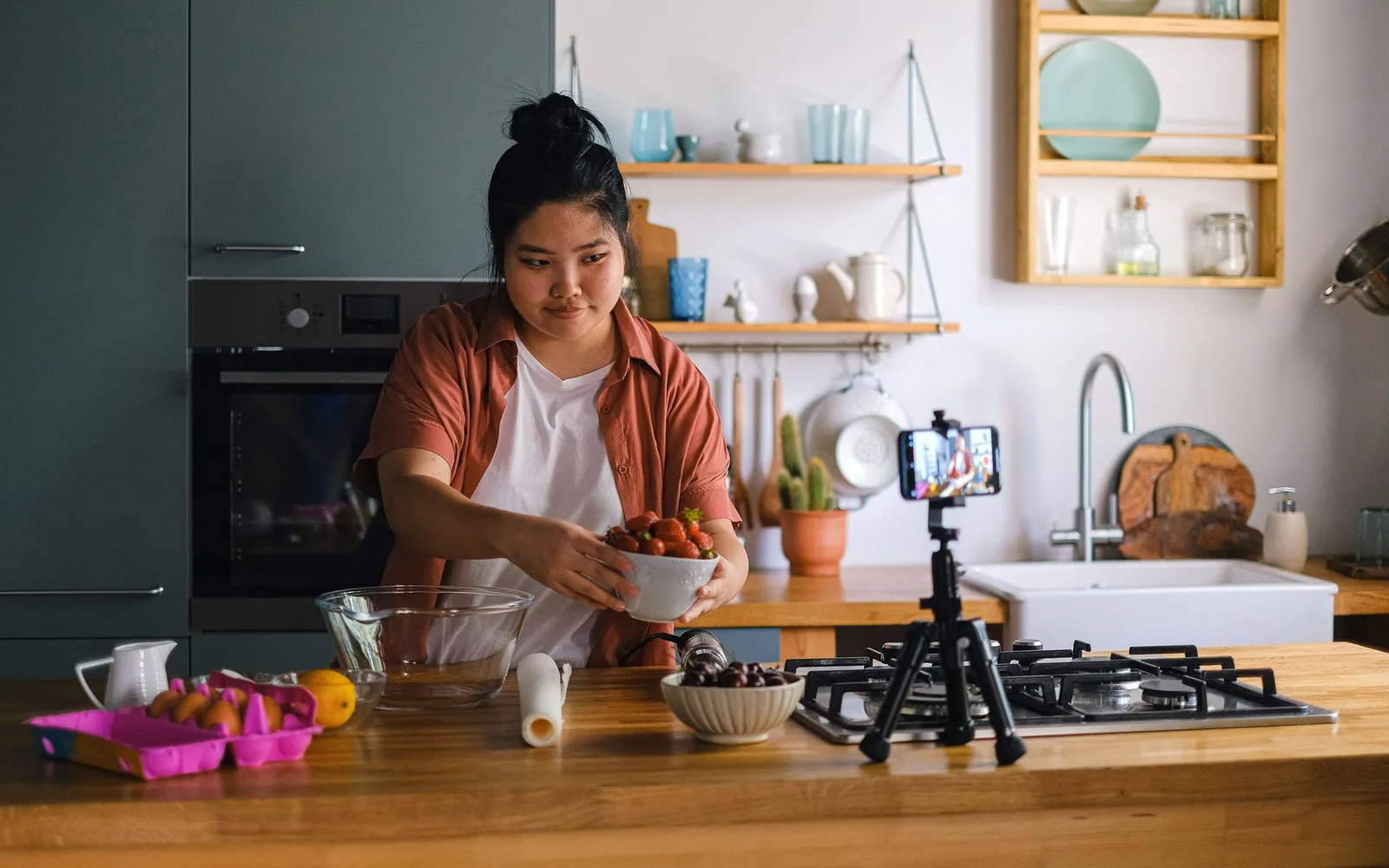
A photo of a family room can show the beds beautifully and still leave a parent wondering where the suitcases go. In a live walkthrough, the host can open the extra bed, stand beside it and turn the camera toward the remaining floor space. A viewer can ask to see the bathroom door. That exchange gives an overseas hotel a specific reason to go live on Xiaohongshu.
It also gives the broadcast a job that can be planned and judged without promising an audience or a burst of bookings.
The short version: build a tourism livestream around a question that deserves a demonstration and follow-up questions. Use your Xiaohongshu notes to introduce the subject, show the actual service, and publish the useful answers afterward. Confirm which broadcast, consultation and selling functions the account can use before announcing them. A conversational format is a production choice; it does not mean Xiaohongshu guarantees patient viewers or better conversion than Douyin.
Find the question worth showing live
Start with comments on your existing notes. Look for uncertainty that survives a written answer: how much walking a route involves, whether a room layout works for a family, what the breakfast actually includes. Our guide to handling Xiaohongshu comments and enquiries covers the everyday replies. Live becomes useful when the answer needs a camera that can respond to the person asking.
A broad destination tour can leave the host guessing what viewers need to see. A defined question gives them a route through the material.
For example, a lodge could show breakfast from the guest's perspective: where to sit, what comes with the room, which dishes are prepared to order and who can answer ingredient questions. A walking-tour operator could demonstrate the starting point and a representative flight of steps. Label a sample clearly; showing one easy section must not imply the entire walk looks like that.
If the answer only requires opening times and an address, update the note. If the subject needs careful diagrams or a detailed itinerary, prepare those first. Going live should add something that the existing information cannot deliver as clearly.
Invite people into a specific conversation
Give the announcement note enough substance to be useful even to someone who never watches. Show the room layout, name the unresolved question and state when you will demonstrate it. Include the date and China time, with the venue's local time where it helps explain the setting.
“Is there space after the extra bed is open?” is a clearer invitation than “Come and discover our beautiful hotel.” In Chinese, a working headline might be “加床打开后,行李放哪里?” The session then has to show exactly that.
Invite questions under the announcement and prepare answers to the real ones. If nobody asks, use questions from actual earlier enquiries or identify your own examples as examples. Writing imaginary viewer comments into a script creates a false impression of demand.
When the account offers a native live reminder, use it after checking the time and destination it displays. Avoid building the event around a feature you have only seen on someone else's account. The invitation, the host and the available account tools must agree about what the viewer can do next.
Check the broadcast and the next step separately
Being able to speak live does not establish permission to sell a travel product. Before commissioning a host, verify the intended broadcasting location, account identity, business category and available consultation or transaction tools with the platform.
Xiaohongshu's official Mini Program introduction, updated in September 2026, distinguishes transaction-enabled Mini Programs from non-transactional ones. It describes merchant and creator livestream selling through product components, with separate permission steps. It also makes clear that a Xiaohongshu Mini Program requires its own development; it is not a direct link into a WeChat Mini Program.
Those published capabilities show possible routes, not approval for every overseas tourism operator. Ask which route applies to your business before promising a shopping card or booking button. The same official guide prohibits external traffic diversion inside its Mini Programs, including QR codes directing people to WeChat or Taobao. Do not treat a native component as a way around the platform's rules.
For a demonstration without checkout, agree on the permitted consultation step and who will answer afterward. If selling is approved, confirm the product details, availability and after-sales process as well. A helpful room tour can end in an enquiry; it need not end in an immediate payment.
Let the camera resolve the uncertainty
Prepare a sequence of things to demonstrate, with room for interruptions. For the family-room example, begin with the normal layout, open the extra bed, place luggage where a guest could put it, then answer questions about the space. Identify the exact room type being shown and any differences elsewhere in the property.
Allow enough time for a person joining midway to understand what they are seeing. Repeat the room type and the question when the demonstration restarts. There is no need to fill every pause with a discount or an instruction to follow the account.
Choose a Mandarin-speaking host who can understand the operational details, and give them access to someone who knows the property or activity. A fluent presenter should not have to invent an answer about bed dimensions or transport arrangements. The person watching comments can collect questions that need checking and give the host a clear way to defer them.
Rehearse the actual camera route. Listen for wind, machinery and neighboring conversations; check the connection where the demonstration will happen. Keep guests, booking screens and personal belongings outside the frame unless you have appropriate permission. A livestream gives you little opportunity to remove an accidental disclosure.
Make the answer available after the broadcast
The session may surface a better note than the announcement. A question about suitcases can become a photo sequence showing the bed open, the usable floor and the storage space, with measurements checked by the property. Someone planning a trip later should be able to find the answer without watching the whole broadcast.
Prepare this follow-up as part of the work, including permission to reuse the host's footage and any other material. Reusing your own demonstration need not mean reposting viewers' names or personal questions. Summarize the question anonymously when their identity adds nothing.
Publish checked answers to questions the host left open. If an earlier answer was wrong, make the correction visible wherever that claim appears. If replay is available for your setup, review it before directing people there. A useful recording can still contain an expired offer or a statement that needs qualification.
The practical-answer and comparison note formats are useful homes for these extracts. Give each one a complete explanation; a clip beginning with “as I said earlier” leaves a future reader outside the conversation.
Decide whether a second session earns the time
Record what the account actually lets you observe: viewing time where available, substantive questions, relevant enquiries and the work needed to answer them. Add preparation, hosting and follow-up time to the review. A small audience can still reveal useful uncertainty, but that alone does not justify a recurring production commitment.
Keep confirmed bookings separate from promising conversations. If a traveler says the broadcast helped them decide, record that as their account of the journey. Where the sale happens elsewhere, distinguish that reported influence from a transaction directly tracked through the platform.
Choose another session when there is another question worth demonstrating and enough interest to justify the effort. If the first broadcast mostly repeated information already in your notes, improve those notes before booking more time on camera.
Where CN1X fits
We can turn the questions under your Xiaohongshu content into a Chinese announcement, demonstration brief and follow-up notes, and scope creator or livestream work around the permissions available to your business. This connects the broadcast with our content, collaboration and channel services.
If you have a possible subject, share the questions guests keep asking. We can assess whether they call for a live demonstration, a clearer note or better information on your storefront.
More from the blog
Chinese Menus for Overseas Restaurants
Help Chinese diners understand your food and place the right order. Connect dish names, portions, current menus and staff answers across your sales channels.
When to Pause a China Channel for Your Tourism Business
Decide whether to reduce, pause or close a China channel. Review real enquiries and costs, protect existing bookings and define what your team must maintain.
Exchange Rate Changes Between Quote and Payment
Keep Chinese tour quotes clear when exchange rates move. Separate estimates from payment amounts and explain what stays fixed before a customer commits.