Selling Winter and Shoulder Season to Chinese Buyers
Explain what makes a winter or shoulder-season trip worth choosing. Align Chinese copy, seasonal images, availability and weather alternatives before booking.
Your summer tour page shows a lakeside picnic, a late outdoor dinner and a full day of sightseeing. To fill autumn departures, you change the date and add “fewer crowds.” The activities now finish earlier, one venue has reduced opening hours, and the picnic depends on the weather. You are selling a different day through the description of the old one.
Winter and shoulder-season marketing needs its own product explanation. The task is to show why someone would choose that visit, then make the seasonal differences clear enough to book with confidence.
The short version: sell a specific seasonal experience, with dates and regional context. Distinguish winter from low demand, a planned operating season from confirmed availability, and a scenic snow visit from skiing. Show representative conditions and explain weather-dependent changes before payment. A quieter period is useful only if the experience the guest wants is actually available.
Start with the guest's dates, not your empty calendar
An operator's shoulder season is the period around its main demand peak. It does not describe a universal climate or a traveler's reason for visiting. Winter may be a busy season for a ski business while nearby sightseeing services operate a reduced schedule.
Ask when the guest can travel, where they intend to go and what they most want from the visit. A family seeking snow, a couple seeking a quiet museum afternoon and a returning visitor interested in food have different reasons to consider the same month. Their nationality does not settle those preferences.
Write the destination's month and season together. For a Southern Hemisphere product, a Chinese summer holiday may coincide with local winter. A label such as “winter departure” without dates makes the reader do unnecessary interpretation. A multi-region itinerary needs local detail rather than one weather description for the entire country.
Tourism New Zealand's climate guide describes regional differences and identifies spring and autumn as shoulder seasons around its summer peak. Use that as destination context, then check the actual towns, activities and travel dates. It does not establish that every operator is quiet or cheaper during those months.
Give the season a reason to be chosen
Lead with what the guest will experience. That might be a winter landscape viewed from a warm indoor venue, a seasonal exhibition, a food experience or a particular garden visit. Obtain the real opening dates and format before turning those possibilities into an itinerary.
“Avoid the crowds” is a weak opening if the visitor cannot tell what remains to enjoy. Describe the activity, the setting and the time available there. If a seasonal version allows a longer hosted visit, explain how it differs from the ordinary departure and whether that change is actually included.
Consider a hypothetical autumn winery tour. The useful offer may be a hosted tasting and lunch at confirmed venues, with an outdoor stop when conditions permit. It should not promise harvest participation merely because the trip runs in autumn. Check whether guests observe production, join an activity or simply visit the cellar door.
Keep the appeal and the limitation close together. A guest can appreciate a quieter visit while wanting to know which restaurant is closed. That fact belongs in the decision, not in a message sent after the deposit.
Rebuild the itinerary around what operates
Check the whole day rather than its headline attraction. Transport, dining, toilets, opening hours and activity bookings all need to work on the proposed date. A venue that opens seasonally may also operate fewer days or a different visitor format near the season's edges.
| Question before promoting a date | What the Chinese page should explain |
|---|---|
| Which services are confirmed to operate? | The bookable itinerary, with requests distinguished from reservations |
| Does the visit use seasonal opening hours? | How the sequence or time at a stop changes |
| Which element depends on conditions? | The specific dependency and who confirms its status |
| Can an advertised alternative actually be booked? | Its availability, inclusions and any applicable price difference |
| What if the main reason for visiting is unavailable? | The approved cancellation, rebooking or alternative arrangements |
Check daylight for the actual place and date when planning outdoor stops. Do not carry over a summer sunset photograph or an evening walking schedule without checking whether it represents the new departure. Leave room for the operator's operational judgment rather than publishing a rigid sequence that cannot survive a change.
Treat snow sightseeing and skiing as different products
A snow photograph does not explain what the guest will do. Will they view mountains from town, travel to a designated snow area, ride a lift, take a beginner lesson or ski independently? Give each offered option a plain description and its actual inclusions.
For a beginner ski product, settle instruction language, equipment, clothing, passes, transfers and participation conditions with the supplier. A transfer to a ski field is not a lesson package. An experienced skier may need different information, including which service they are reserving and what remains subject to mountain operations.
Tourism New Zealand's 2026 spring trade update says the ski season generally runs from June to October, depending on snow and weather conditions. That is a planning range, not a promise that a particular field or activity will operate on a customer's October date. Link to the relevant operator's current status when discussing a specific booking.
If snow is the guest's essential reason for traveling, address that dependency directly. A museum alternative may be available, but it does not automatically fulfill the same purpose. Give the guest the relevant information and choices before asking them to commit.
Make the pictures match the seasonal offer
Use permission-cleared material from the actual destination and service where available. Record the location and season, and identify footage assembled from different departures. A beautiful image from an unusually snowy day should not become the apparent forecast for every booking date.
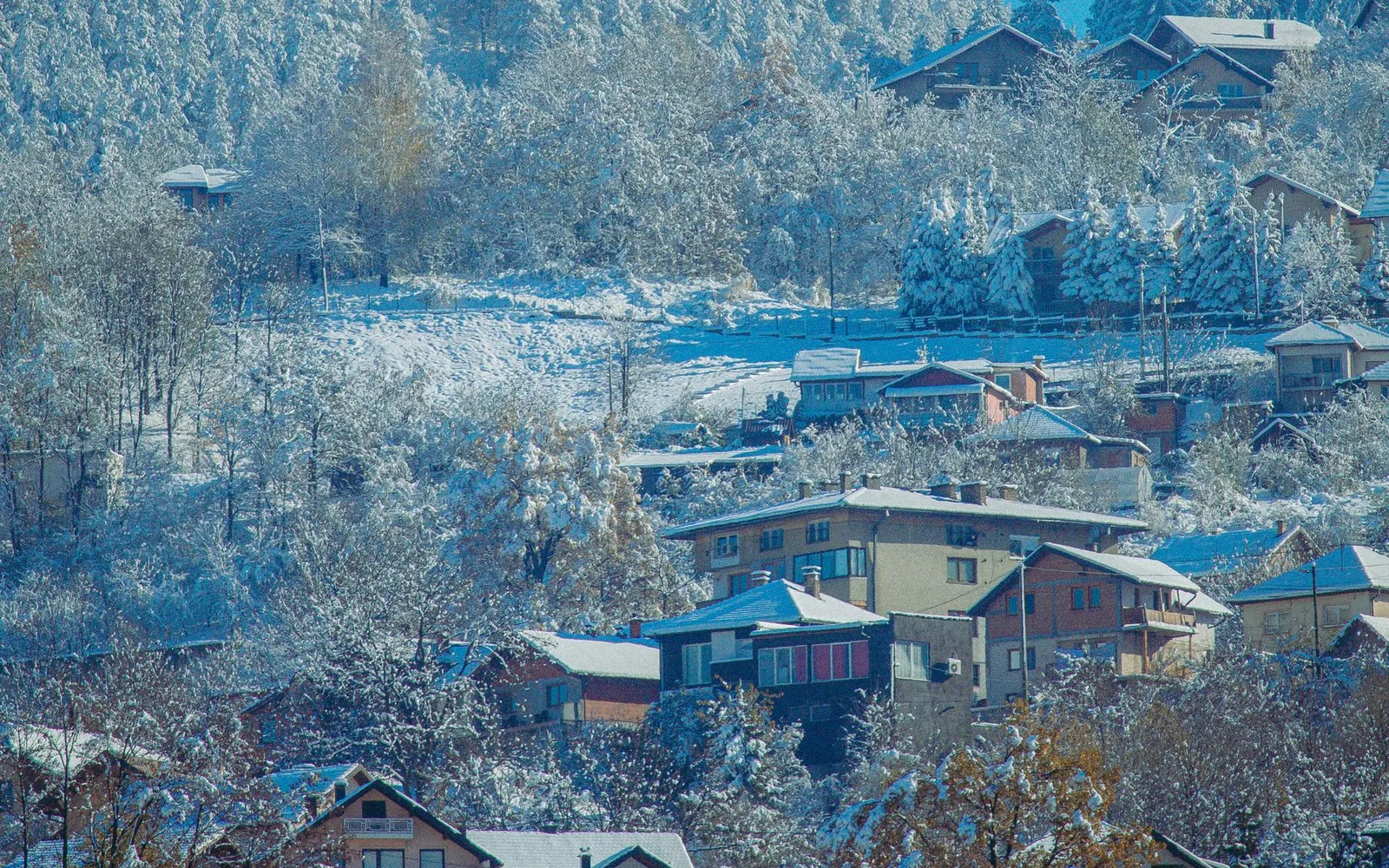
The cover here is illustrative stock photography of a snowy village; it is not a photograph of a CN1X client itinerary or evidence of conditions on a proposed departure. An operator selling a specific destination needs its own representative material and clear context.
Review the whole page together. A summer gallery beside a winter title can imply that the same activities, light and outdoor comfort carry over unchanged. Show the actual indoor setting or alternative when it is part of the product. Avoid making the fallback look like an incidental detail while exceptional conditions dominate every image.
Explain the terms of a change before it happens
Distinguish operator cancellation, a completed departure with a changed route and a guest deciding not to travel. These situations can have different approved terms. The Chinese description, booking confirmation and staff reply should preserve those distinctions.
For an alternative activity, explain whether it is included, optional or offered under specific conditions. Verify space with the supplier rather than treating any nearby indoor attraction as an available replacement. State how guests receive an operational update and whom to contact if it affects their plans.
Do not promise lower prices without current evidence for the actual dates and offer. A reduced tour fee may coexist with other costs that differ. Describe the confirmed price and inclusions; compare like-for-like products only when the comparison is supportable. Our guide to refunds, deposits and cancellations covers presenting booking conditions before payment.
After a seasonal campaign, review the enquiries as well as bookings. Questions about snow, closures or clothing may reveal a gap in the page. Record what guests actually asked and what staff could confirm. Avoid turning a few enquiries into a claim about all Chinese buyers. The guide to explaining unfamiliar experiences offers a useful comprehension check: can the reader describe what the visit includes?
Where CN1X fits
CN1X can prepare Chinese seasonal product pages, social content and enquiry replies through our localization and content services. The operator confirms the operating dates, available alternatives and booking terms that support the offer.
Send the proposed dates, itinerary and seasonal photographs. We can identify where the page still describes a summer product, where a weather-dependent detail sounds guaranteed, and what needs clarification before promoting the next departure.
More from the blog
Chinese Menus for Overseas Restaurants
Help Chinese diners understand your food and place the right order. Connect dish names, portions, current menus and staff answers across your sales channels.
When to Pause a China Channel for Your Tourism Business
Decide whether to reduce, pause or close a China channel. Review real enquiries and costs, protect existing bookings and define what your team must maintain.
Exchange Rate Changes Between Quote and Payment
Keep Chinese tour quotes clear when exchange rates move. Separate estimates from payment amounts and explain what stays fixed before a customer commits.