Keeping the Right Branch in Chinese Bookings
Keep the intended property clear from a Chinese post to an enquiry, reservation and arrival message, even when several branches share the same brand name.
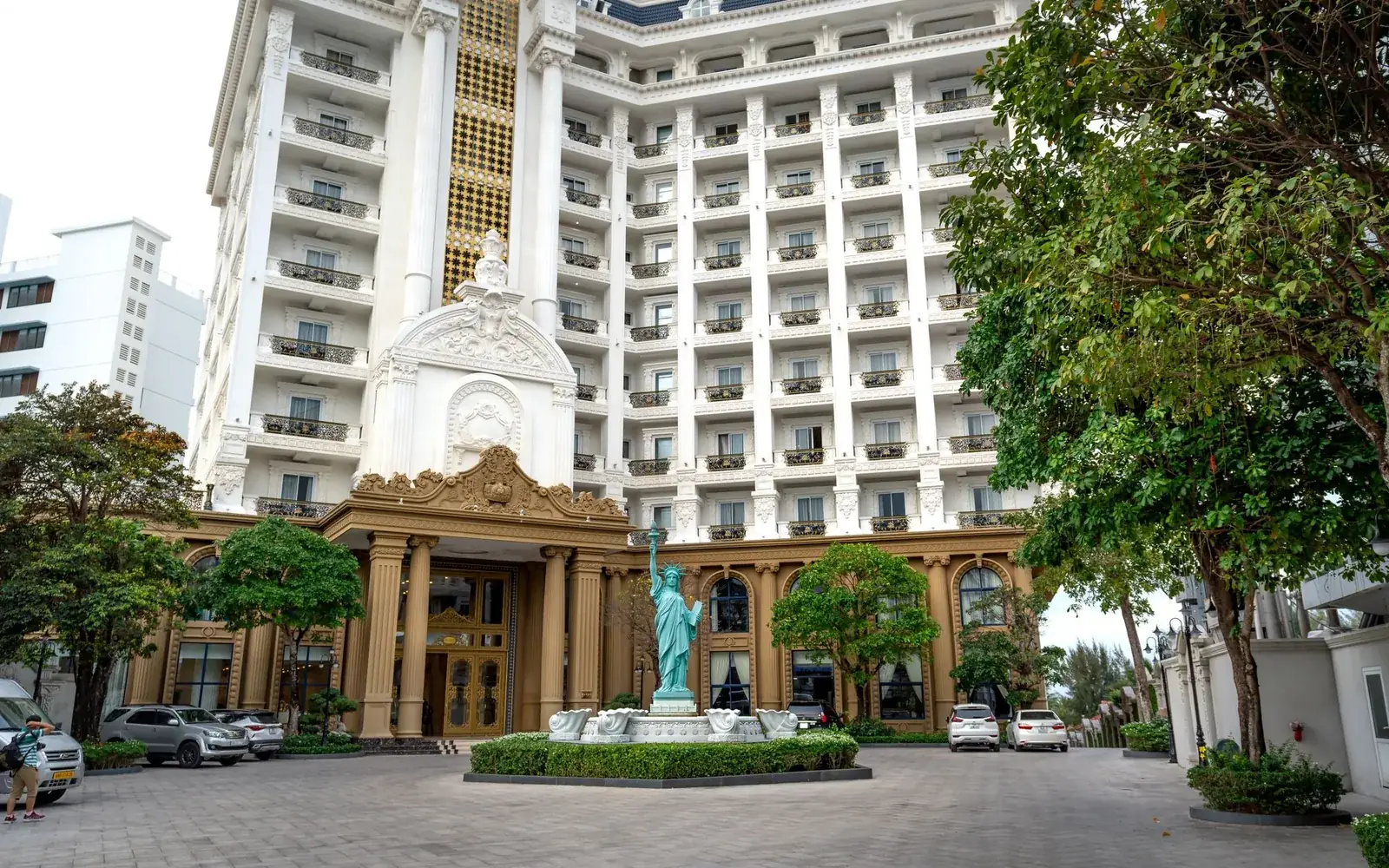
A Chinese post shows a hotel's lakeside terrace. The profile uses the group's name, and the booking link opens a catalogue with the city property selected. A guest asks for “the room in your post.” Reception quotes the city hotel, while the guest still imagines the terrace.
For an overseas hotel group or venue operator, this is a practical Chinese-channel problem: the branch identity has disappeared between content and the booking decision. CN1X's content and Mini Program work should preserve that identity through the post, destination page, enquiry, reservation and arrival information. A correct address at the end cannot repair an offer the guest understood as another property.
The short version: give each property an approved Chinese label tied to the operator's actual record. Keep it visible at every decision, including shared content and staff replies. If the guest changes location, recheck the offer and show the change explicitly. Review the whole route with two similar properties, not just one page in isolation.
Give each property a recognizable name and a stable record
Use a fictional group, Harbour House, with a City Hotel and a Lakeside Lodge. These names and the examples below are illustrative, not CN1X clients or real property information. Each property has its own rooms and reception team.
For this example, the Chinese team might agree the following display labels:
海港之家·市中心酒店|Harbour House City Hotel海港之家·湖畔旅舍|Harbour House Lakeside Lodge
The business must approve the actual Chinese wording. A branch label should distinguish the location without inventing a star rating, proximity claim or service level. Keep the local-language name available where it helps a guest match signage or ask someone for assistance.
Behind the display name, connect the property to the identifier used by reservations. A Chinese nickname can change while that connection stays intact. Staff need to distinguish the lakeside room inventory from the city inventory even if both properties sell a room called “Deluxe Double.”
Maintain a short approved record for each property: Chinese and local names, operational identifier, address, relevant entrances, current photographs and the team responsible for enquiries. Use confirmed facts, and distinguish a property's location from a separate transfer pickup point. This record supplies the Chinese content and booking flow; it should not become another independently maintained availability calendar.
Make the location clear before the guest follows a link
Review the post as something forwarded without the original conversation. Does its title or opening identify the property shown? Can the reader tell whether a room, restaurant or attraction belongs to that location?
For the fictional lodge, a caption such as 海港之家·湖畔旅舍:客房与到店信息 identifies the subject more clearly than the group name alone. The linked destination should open that property's information or require an explicit property choice. It should not silently choose the city hotel because that is the catalogue's default.
Use approved photographs of the relevant property. If one post introduces both locations, label which photograph shows which one. A terrace image from the lodge should not sit beside a city-room offer in a way that suggests the guest is buying the photographed experience. Check the visible title, caption and destination together before approving the post.
Where a platform restricts the next step, use the route actually supported by the account. Do not promise that every Chinese post can link directly to a Mini Program. The business requirement remains the same: whatever route the guest takes must carry or clearly re-establish the intended property.
Test sharing as a fresh arrival at the page
Ask the builder to demonstrate what a recipient sees after another person shares the property or room page through the supported flow. Inspect both the share preview and the destination opened by a different test account.
For the lodge example, the recipient should recognize the lodge without first visiting the group's homepage. A preview naming the lodge but opening a city-room page fails the check. So does a page that depends on a property choice stored only in the sender's earlier session.
If the recipient must choose a location, make that choice visible before displaying a branch-specific offer. Once chosen, keep the property name near room details and the enquiry or reservation action. A logo alone identifies the group, not the building where the stay will happen.
Avoid including private reservation or customer details in a public share preview. The shared product page should explain an offer; access to an existing booking needs its own appropriate verification. These are requirements to test in the agreed build, not a claim that any particular sharing feature preserves them automatically.
Put the property into the Chinese enquiry and reply
The enquiry should carry the selected property with the requested stay dates and room. Staff should see it before deciding which reception team needs to respond. A shared inbox can serve both properties, but it still needs a reliable way to route each request.
Suppose the guest writes “I want the one with the terrace” after browsing both fictional properties. The response team should clarify before obtaining a room offer. An illustrative Chinese reply is:
您说的是照片中的湖畔旅舍吗?海港之家另有市中心酒店,两处的客房和到店地址不同。请先确认您希望入住哪一处,我们再按对应地点核实房型和日期。
This identifies the ambiguity and asks for a choice. It does not assert that either property is available. Keep the guest's answer with the enquiry so the next employee does not repeat the same uncertainty.
The Chinese hotel-enquiry guide explains the handoff to reception and back to the guest. For a group, make the selected property part of that handoff. Reception's returned quote and the Chinese response should identify the same property, room, stay dates and inclusions.
Treat a branch switch as a changed offer
If the lakeside room is unavailable, the city hotel may be a possible alternative. Present it as a different property with its actual location, offer and relevant conditions. Do not retain the lodge's heading while swapping in the city's available room behind it.
Show the resulting choice before the customer commits. The guest may have selected the lodge because of its setting; the same room category and brand do not make the city stay equivalent. Record their decision and obtain the appropriate property confirmation through the agreed reservation process.
For an existing booking, a location change needs the operator's approved handling and a clear customer communication. Updating a branch field in CRM alone does not move a reservation between properties. Preserve the earlier arrangement and connect any accepted revision to the resulting booking record.
The account-structure guide considers whether different locations need separate public accounts. Adding another account does not resolve this booking problem by itself. Even separate profiles need accurate destinations, staff routing and confirmations.
Carry the confirmed location into arrival information
Build the arrival message from the confirmed reservation's property, not the last page the guest visited. Include the approved local name, address and relevant entrance information. If a transfer uses another meeting point, label it separately so it cannot be mistaken for the accommodation address.
For the fictional lodge, the visible Chinese summary could begin 已确认入住地点:海港之家·湖畔旅舍(Harbour House Lakeside Lodge). That wording belongs only in a confirmed reservation. The actual message must then supply the operator-approved arrival details and a usable assistance route.
Check the map destination and any entrance photograph against those details. Owning a Mini Program does not imply control over every external map listing. If a third-party result is wrong or ambiguous, establish what can be corrected and give accurate owned-channel instructions in the meantime.
When a property renames or changes its entrance, review existing bookings as well as new content. The catalogue-update guide covers carrying approved changes into customer-facing material while preserving what earlier guests accepted.
Review one complete route for each property
Use synthetic enquiries and agreed test bookings for both locations. Start from each Chinese post or supported share entry, then compare the page, staff record, returned offer and arrival message. Include a recipient who has never selected a property before.
Test switching properties, returning to an earlier page, an unavailable room and a later booking revision. Have reception identify the location from the received record without consulting the marketing team. Check that an unanswered property question remains open rather than becoming an arbitrary default. Keep tests from charging or notifying real guests.
Where CN1X fits
CN1X's services include Chinese content, Mini Program design and development, customer conversations and CRM. For a multi-location business, those deliverables should carry one identifiable property from discovery to the operator's confirmed booking and arrival information. The operator approves location facts, availability, commercial decisions and changes to existing stays.
Share two locations that guests could confuse and the route between your Chinese content and reservations. We can identify where the property gets lost and define the content, screens and staff handoff needed to preserve it.
Related reading
Chinese Hotel Enquiries to Direct Reservations
Connect Chinese hotel content with enquiries and direct reservations. Define who answers, who confirms rooms and how the stay reaches your booking system.
One Account or Several? Region, Product and Language
Before splitting your Chinese social accounts by destination, product or language, check who each one serves and who will keep its content and replies useful.
Keeping Your Chinese Catalogue Current
Carry product changes into Chinese Mini Program pages, active promotions and open quotes. Keep existing bookings tied to the offer the customer accepted.